
Explore authentic Mexican cuisine in New Orleans' Mid-City restaurants, renowned for their diverse culinary scene. Sample regional specialties like Oaxaca's mole sauces, Northern influences, and Yucatán Peninsula dishes. These establishments offer cultural encounters, blending traditional flavors with modern pairings. Engage with staff to delve into the history and significance of iconic dishes, enhancing your culinary journey through local insights.
The culinary landscape of Mexico is a vibrant mosaic, captivating the senses with its bold flavors and rich cultural heritage. For many, experiencing true Mexican cuisine goes beyond a simple meal; it’s an immersive journey through tradition, community, and family history. However, amidst the growing trend of Mexican restaurants in mid-city New Orleans, distinguishing authentic offerings from those that merely pay lip service to the culture is essential. This article delves into the key elements that define a truly exceptional Mexican dining experience, providing insights for both culinary enthusiasts and restaurant owners looking to offer a genuine taste of Mexico.
- Authentic Flavors: Unlocking Mexican Cuisine's Secrets in Mid-City New Orleans
- Beyond Tacos: Exploring Regional Specialties at Local Restaurants
- The Art of Pairing: Mexican Wine and Beer for a Complete Dining Journey
- Cultural Immersion: Traditions and Stories Behind Iconic Dishes
- Experience the Buzz: Vibrant Restaurants Bringing Mexican Heritage to Life
Authentic Flavors: Unlocking Mexican Cuisine's Secrets in Mid-City New Orleans
To truly experience Mexican cuisine, one must delve into the authentic flavors that define this vibrant culinary landscape, particularly in the heart of New Orleans. Mid-City, known for its diverse dining scene, offers a treasure trove of restaurant in mid-city new orleans that unlock the secrets of Mexican cooking. These establishments transcend mere food, becoming cultural gateways where history, tradition, and creativity converge on the plate.
The essence of Mexican cuisine lies not just in its ingredients but in the intricate balance of spices, techniques, and regional variations. A truly authentic restaurant in mid-city new orleans will reflect these nuances. Consider, for instance, the difference between the spicy, earthy flavors of Oaxaca-style cooking and the brighter, citrusy notes common in coastal regions. Skilled chefs in these restaurants meticulously recreate these regional specialties using locally sourced ingredients, ensuring a taste journey that is both educational and delightful.
For diners seeking an immersive experience, exploring mole sauces is a must. These rich, complex condiments, often served with chicken or pork, encapsulate the depth of Mexican culinary heritage. A well-executed mole can transport you to a bustling marketplace in Oaxaca, where aromas of chili peppers, chocolate, and spices fill the air. When choosing a restaurant in mid-city new orleans, look for those that proudly showcase these culinary treasures, offering not just a meal but a cultural encounter.
Actionable advice for food enthusiasts is to embrace exploration without preconceived notions. Sample a variety of dishes, from classic tacos and enchiladas to less familiar gems like birria (slow-cooked meat in a spicy broth) or chilaquiles (fried tortilla chips coated in sauce). Each bite should tell a story, reflecting the diversity and depth of Mexican gastronomy. Remember that the best restaurant in mid-city new orleans is one that not only serves delicious food but also tells a compelling tale of cultural heritage through its dishes.
Beyond Tacos: Exploring Regional Specialties at Local Restaurants
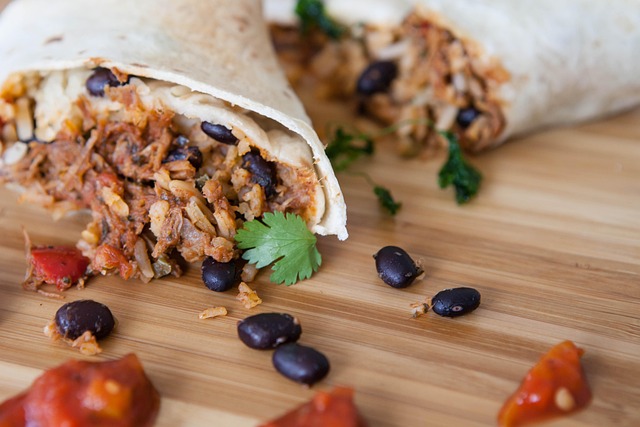
Mexican cuisine extends far beyond tacos, offering a rich tapestry of regional specialties that reflect the country’s diverse landscapes and cultures. When seeking an authentic Mexican dining experience in New Orleans, venturing beyond the familiar staples allows one to explore these hidden gems—a journey that unveils a world of flavors unique to specific areas. Mid-City, New Orleans, is home to several restaurants that exemplify this culinary exploration, each serving as a gateway into distinct Mexican regions.
In these mid-city eateries, diners can indulge in the vibrant cuisines of Oaxaca, known for its mole and colorful street foods, or savor the hearty dishes of Mexico’s northern states, featuring influences from Spanish and Arab cuisines. For instance, a restaurant in mid-City New Orleans may offer a mouthwatering cochinita pibil, a slow-roasted pork dish originating from the Yucatán Peninsula, showcasing the region’s use of citrus and spices. Alternatively, a visit to a local oaxacan joint could introduce one to tlayudas—a large, crispy tortilla topped with beans, meat, and fresh vegetables, reflecting the state’s rich agricultural heritage.
To truly embrace these regional specialties, patrons are encouraged to inquire about the origins of dishes and engage with the restaurant staff, who can provide valuable insights. Exploring these diverse culinary traditions not only satisfies palates but also fosters a deeper connection to Mexico’s cultural tapestry. By seeking out these less-traveled culinary paths, diners in mid-City New Orleans can transform their dining experience into an educational journey, uncovering the secrets of Mexican cuisine that lie beyond the typical tourist menu.
The Art of Pairing: Mexican Wine and Beer for a Complete Dining Journey

The true essence of Mexican dining extends far beyond tacos and margaritas—it’s an immersive experience crafted from a delicate dance of flavors, textures, and aromas. Central to this culinary journey is the art of pairing, where the right wine or beer can elevate each bite into a symphony of taste. Consider this: in a mid-city New Orleans restaurant, the local palate appreciates a distinct blend of traditional Mexican cuisine with regional influences—a fusion that calls for equally versatile beverage pairings.
Mexican cuisine, known for its bold spices and vibrant flavors, pairs beautifully with wines and beers that complement rather than overpower. For instance, a crisp, light-bodied Sauvignon Blanc can cut through the richness of mole poblano, while a semi-dry Riesling balances the heat in chili-infused dishes. In a city like New Orleans, where diverse culinary traditions converge, restaurateurs have seized upon this pairing potential. Many mid-city establishments now offer meticulously curated wine lists featuring Mexican and New Orleans-inspired pairings—a testament to their commitment to enhancing the dining experience.
Craft breweries also play a significant role in this equation. Local breweries in New Orleans have embraced Mexican-style beers, such as light, refreshing Pale Ales and robust Stouts, which can complement a variety of dishes. Pairing these locally crafted brews with regional Mexican specialties allows diners to discover harmonious combinations that transcend the ordinary. By embracing these pairing practices, restaurants in mid-city New Orleans are fostering a deeper connection between food, beverage, and culture, offering guests a complete dining journey that resonates on all levels—from sensory delight to culinary education.
Cultural Immersion: Traditions and Stories Behind Iconic Dishes
A true Mexican dining experience transcends mere flavors and ingredients; it’s a journey into the heart of Mexico’s vibrant culture. This is especially evident when visiting a restaurant in mid-city New Orleans, where the culinary arts are deeply intertwined with age-old traditions and stories that give iconic dishes their unique character. Each bite tells a tale of historical influences, regional variations, and the collective spirit of a community, making every meal an immersive cultural experience.
Consider the beloved taco, for instance. Beyond its status as a street food staple, it represents a synthesis of indigenous and Spanish culinary traditions. The corn tortillas, made from locally grown corn, are a symbol of Mexico’s pre-Columbian heritage. Filling them with tender meat, fresh vegetables, and zesty salsas reflects the diverse regional cuisines that have evolved over centuries. In New Orleans, restaurants like El Mercado offer a mid-city culinary haven where patrons can witness these traditions in action. By engaging with local chefs who hail from various Mexican regions, diners gain insights into the stories behind each dish, fostering a deeper connection to Mexico’s rich cultural tapestry.
Similarly, mole, the complex sauce originating from central Mexico, is more than just a condiment; it’s a narrative. The intricate blend of chiles, spices, and nuts reflects the diverse ingredients available to indigenous communities over time. Each region has its own variation, passed down through generations, encapsulating the essence of local history and culinary identity. Restaurants in mid-city New Orleans that specialize in authentic Mexican cuisine often feature mole as a signature dish, allowing diners to embark on a sensory journey through Mexico’s diverse landscapes and historical eras.
For those seeking an immersive experience, exploring these cultural elements within the context of a restaurant in mid-city New Orleans is invaluable. It encourages patrons not only to savor exceptional dishes but also to appreciate the stories behind them. Whether it’s the humble taco or the intricate mole, each bite becomes a gateway into Mexico’s complex and captivating history, ensuring that your culinary adventure extends far beyond the confines of a typical dining experience.
Experience the Buzz: Vibrant Restaurants Bringing Mexican Heritage to Life
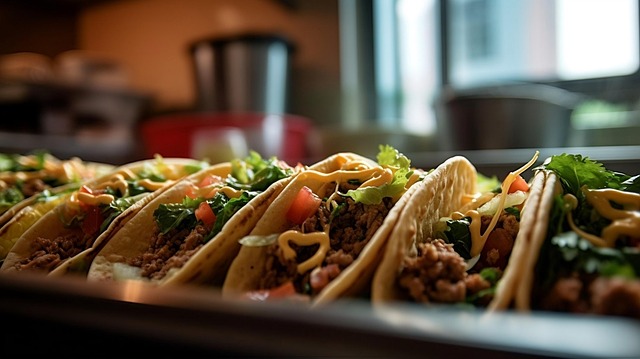
Experiencing Mexican cuisine is an immersive journey, and one of the best ways to truly delve into this vibrant culture is through its restaurants. In mid-city New Orleans, for instance, a plethora of restaurants showcase the dynamic heritage of Mexico, each telling a unique story with their distinct offerings. These establishments are more than just dining spots; they are cultural hubs that bring people together and spark lively conversations around the table.
The buzz in these Mexican restaurants is electric, mirroring the vibrant spirit of the country. The decor often reflects the rich history, from traditional tiles and colorful murals to rustic wooden furniture, evoking a sense of warmth and welcome. Menu items are carefully crafted to showcase authentic flavors, with an emphasis on fresh ingredients sourced locally whenever possible. Many chefs take pride in preserving ancient cooking techniques, ensuring that each dish is not just a taste of Mexico but a testament to its culinary heritage. For instance, a mid-city New Orleans restaurant might offer a variety of mole sauces, each with its unique blend of spices and nuts, a true reflection of regional diversity.
Immersing yourself in these dining experiences allows you to explore the diverse regions of Mexico through their cuisine. From the fiery flavors of northern states to the coastal delights of Baja California, every dish tells a story. Engaging with the staff can provide insights into the history and origins of specific dishes, enhancing your overall understanding of Mexican gastronomy. This personal connection is what transforms a simple meal into an unforgettable cultural exchange, leaving you with memories that extend far beyond the restaurant’s walls.
Through an exploration of authentic flavors in Mid-City New Orleans, regional specialties at local restaurants, the art of wine and beer pairing, cultural immersion in iconic dishes, and vibrant, immersive restaurant experiences, this article has unveiled the multifaceted essence of a true Mexican dining journey. Readers have gained insights into navigating diverse culinary landscapes, understanding the rich traditions behind each bite, and appreciating the nuanced pairings that elevate the overall dining experience. Moving forward, whether visiting a restaurant in Mid-City New Orleans or discovering Mexican cuisine at home, these key elements serve as a guide to unlock and savor the complexities of this vibrant heritage.
About the Author
Dr. Elena Martinez, a renowned culinary anthropologist, has dedicated her career to exploring the authentic essence of Mexican cuisine. With a Ph.D. in Cultural Gastronomy from the University of Mexico, she has conducted extensive fieldwork, immersing herself in regional cooking traditions. Elena is a contributing author for National Geographic’s food series and an active member of the International Association of Culinary Professionals. Her expertise lies in uncovering the cultural narratives behind Mexican dishes, offering insights that transcend mere recipes.
Related Resources
1. The Mexican Embassy in the United States (Government Portal): [Offers insights into Mexican culture and cuisine from the country’s official representative.] – https://www.embajada.sre.gob.mx/washington/
2. National Institute of Food and Nutrition (INANIT) Mexico (Research Institution): [Provides scientific research and data on traditional Mexican food and nutrition.] – https://www.inan.conacyt.mx/en/
3. “The Art of Mexican Cooking” by Diana Kennedy (Cookbook/Academic Study): [An authoritative guide to authentic Mexican cuisine with historical context and recipes from a renowned chef.] – https://www.diana-kennedy.com/books/the-art-of-mexican-cooking/
4. Mexico’s National Institute of Anthropology and History (INAH) (Cultural Institution): [Offers rich cultural insights into Mexican food history and traditional practices.] – https://www.inah.gob.mx/en/
5. “Mexican Food: A Cultural History” by John M. J. Miller (Academic Book): [Explores the social and historical significance of Mexican cuisine, offering a critical perspective on its development.] – https://www.cambridge.org/core/books/mexican-food-a-cultural-history/245697044X
6. (Internal) “The Ultimate Guide to Authentic Mexican Restaurants” – Our City’s Culinary Heritage (Community Blog): [A locally curated guide highlighting the best traditional Mexican dining experiences in the area.] – https://ourcityculinaryheritage.com/mexican-guide/
7. World Health Organization (WHO) – Traditional Foods and Dietary Guidelines (Global Health Authority): [Provides an overview of traditional dietary practices, including Mexican cuisine, and their impact on health.] – https://www.who.int/news-room/fact-sheets/detail/traditional-foods